Artist’s Statement
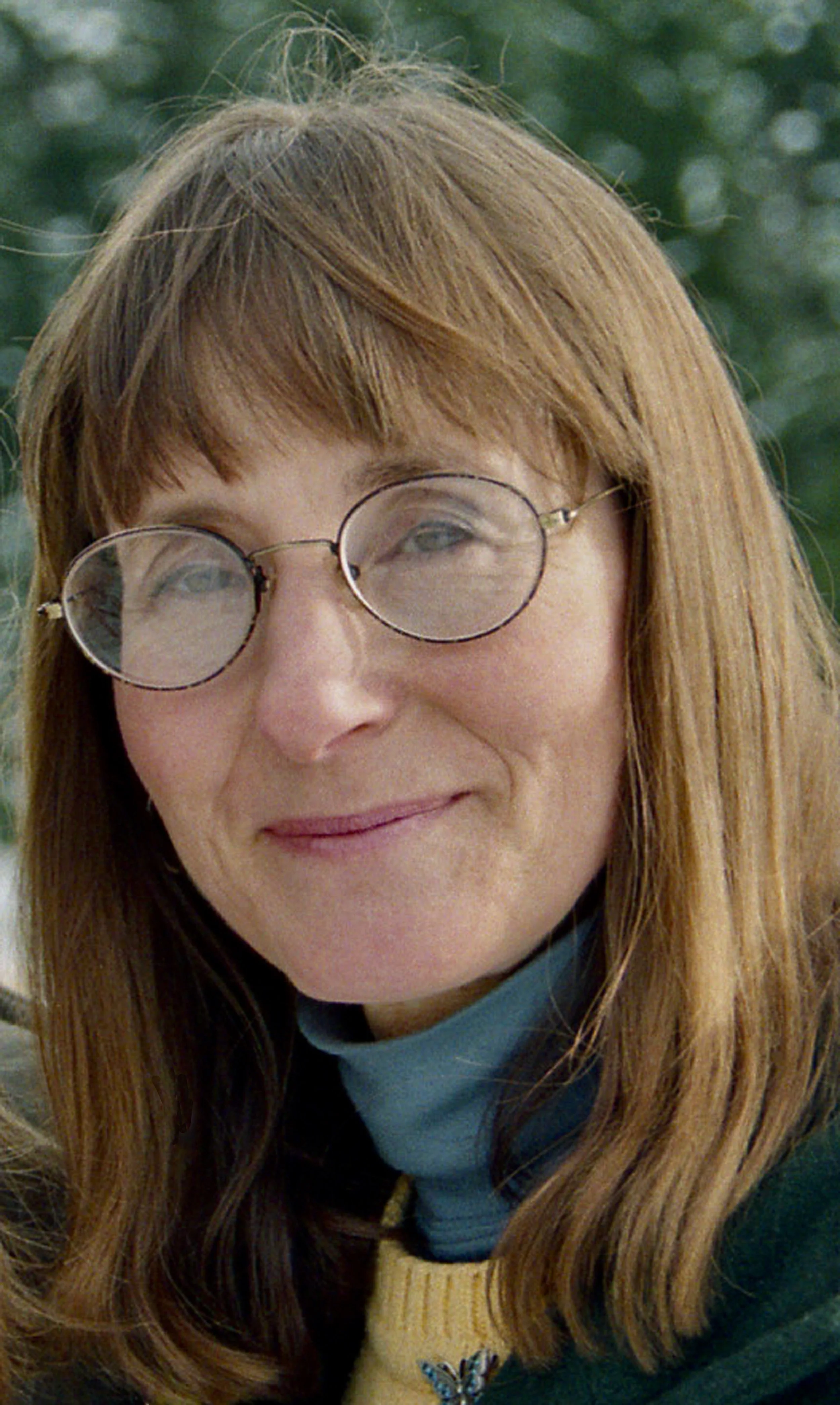
Herbert Muschamp, “Camelot’s Once and Future Glamour” (New York Times, Friday, May 4, 2001) -- “Wallowing in our poison now seems to be the national pastime. Art may not be the highest form of redemption from toxicity, but it’s a good one…today, when culture has assumed such a major role politically and economically, in the conduct of world affairs...In an age still racked by fear – it is vivifying to be reminded that the desire for beauty can survive the rage to destroy.”
The late Herbert Muschamp’s quote is a powerful statement of how deeply embedded conflict and chaos are in our lives and have continued to be since his words were written in 2001. On any given day, we encounter their effect on many fronts. Because of this, I have addressed chaos and conflict in my work as an artist by seeking a “beauty that can survive the rage to destroy”.
The natural world has been my subject and my passion; it’s served as both muse and vital resource. There is great complexity in the natural world, in its multiplicity of life forms. There also exists a chaotic overlapping and intermingling of detail that enriches and confounds our visual experience of the world.
Though complexity and chaos in the natural world differ from that implied in Muschamp’s quote, they serve as a good stand-in. Nature harbors both qualities on many levels. By using the visual chaos of the world and resolving its conflicting elements through painting, I hope to reveal a harmony between what is seen and what is felt, a harmony found in nature itself.
There’s a dynamic quality to patterns of growth and coexistence of forms in nature that fascinates me. In my work I explore this by getting close to my subjects when I paint them, depicting them with varying degrees of realism and often turning an intimate study into something large in size and scale. Frequently I choose simple subjects like flowers because they’re easy to find, and common enough in life I can manipulate them creatively without losing the integrity of their recognition.
Over a 30-plus year career I’ve worked with a variety of media: watercolor on paper; airbrush and acrylic on canvas or paper; pre-painted paper that’s cut, torn and molded to mount on a two-dimensional support; and pastel on paper.
Watercolor was my first medium, and through it I explored the act of painting itself. I turned to airbrushed acrylic for the clarity and sense of atmosphere it can achieve, and to increase the size of work I’d be able to paint on canvas. I’ve been challenged by the sculptural and experimental qualities of working with cut and molded paper. Finally, I was drawn to pastel because of its plasticity and the way it lends itself to subtle adjustments of color and resolution of line and edge. No matter what the method or media, each has contributed its own qualities in the painting.
I see each artist’s work as his or her creative voice, a voice that ultimately joins in chorus with other voices to address the issues and actions of our time. I believe it’s through such a collective voice we describe ourselves to the future and measure ourselves against the past. I’ve worked as an artist to have my voice be one that speaks visually of harmony and beauty, to help deflect the chaos and conflict that continue to mark our time -- for in this there exists an indelible power and strength.